Is Borrowing Against a Rolex Ever a Better Move Than Selling?
Published: October 6, 2026 at 11:18 AM PDT
If you need cash and own a Rolex, you may be weighing two choices: sell the watch or use it as collateral for a loan. Neither is automatically the smarter move. Selling can be clean and final; borrowing may let you keep a watch you value, but it adds fees, interest, deadlines, and the risk of losing the watch if you cannot repay.
The right answer depends on the exact reference, the watch’s condition and originality, the loan terms, and how reliably you can repay. Before discussing a price, I want the exact reference number—not “it’s a Submariner, you know the one.” A Submariner reference from one production period can differ meaningfully from another in demand, features, and value.
This guide explains when a collateral loan might make sense, when selling may be safer, and how to avoid regret selling a Rolex because of a temporary short term cash need.
Start With the Exact Watch, Not the Headline
Rolex market headlines can be useful for context, but they are not a valuation of your watch. Prices move by model, reference, year, condition, dial, bracelet, accessories, and local buyer demand. A record-setting auction result or a story about a hot market does not establish what your particular watch will sell for today.
Begin by confirming the reference number and serial information through appropriate documentation and inspection. The reference identifies the model and configuration; the serial can help place the watch within a production period, though dating conventions and available records vary. Do not post sensitive serial details publicly. If you are unsure what you have, ask a qualified watchmaker or reputable specialist to help identify it.
What to gather before asking for offers
- The exact reference and, if known, approximate production year
- Clear photos of the dial, case, bezel, bracelet, clasp, and any visible wear
- Service records and information about replaced parts
- Box, papers, receipts, and other accessories, if available
- Your preferred timeline and the amount of cash you actually need
Good preparation makes it easier to compare a sale offer with a loan offer. It also reduces sandiegouniontribune.com the chance of being anchored to a number that has little connection to the specific watch in front of you.
Market Cycles and Price Anchoring
Watch markets move in cycles. Demand can rise or cool as spending habits, inventory, interest rates, and collector preferences change. A seller who remembers a peak-market estimate may feel that a current offer is unfair, even when the market has shifted. The reverse can happen too: a buyer may point to a low asking price online and treat it as proof that every example is worth the same.
Asking prices are not completed sales. Online marketplaces can provide a private sales reference, but use them carefully: compare the same reference, similar condition, similar completeness, and recent transactions when available. Listings may be stale, optimistic, or missing important details. A dealer’s offer may also be below a private-sale target because a dealer has operating costs, assumes resale risk, and needs room to service or hold inventory.
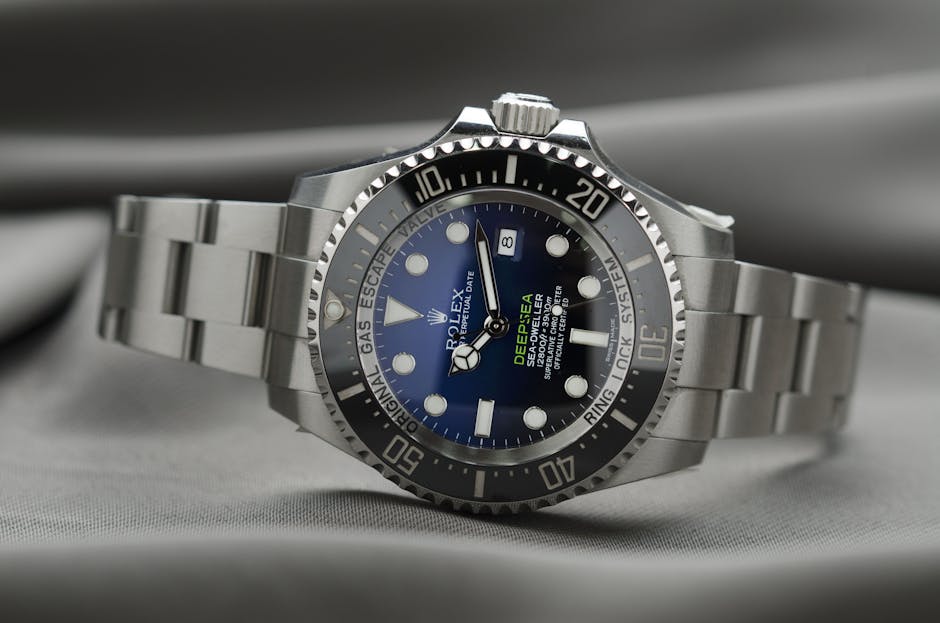
To avoid price anchoring, gather more than one current opinion and ask each source to explain its assumptions. Is the estimate based on a private sale, a dealer purchase, or a collateral loan? Is it conditional on authentication or inspection? Does it assume original parts? A number without those details is not a useful comparison.
Condition and Originality Versus Paperwork
Box and papers can help establish a watch’s history and may matter to some buyers, but paperwork does not make up for poor condition or questionable originality. A clean, well-preserved watch with correctly matched components may be more attractive than an example with a fuller accessories set but substantial damage or non-original parts. The exact impact varies by reference and buyer.

Polishing, replacement dials, hands, bezels, bracelets, and service components can affect desirability. A service replacement is not automatically bad; it should simply be disclosed and assessed in context. Do not have a watch polished or modified just to improve its appearance before getting advice. Alterations can remove material or change details collectors value.
For a loan, the lender will care about whether the watch can be authenticated, its condition, and how readily it tends to be resold if the borrower defaults. For a sale, a buyer will consider similar factors, as well as the cost and time involved in servicing or reselling it. In both cases, an independent inspection can help clarify what you own.
How Collateral Loans Using Watches Work
With a collateral loan, you leave the watch with a lender while borrowing against its assessed value. The lender holds it as security during the loan term. If you repay the principal, interest, and any agreed fees on time, the watch is returned. If you do not meet the contract’s requirements, the lender may have the right to sell the collateral, subject to the agreement and applicable rules.
A loan is not the same as receiving the watch’s full resale value in cash. Lenders commonly advance less than their estimated resale value to account for market movement, authentication, storage, and liquidation risk. The advance amount and terms vary, so compare the total cost rather than focusing only on the amount offered.
Questions to ask a lender
- What is the annual percentage rate, and how is interest calculated?
- Are there appraisal, storage, insurance, renewal, or late fees?
- What is the repayment deadline, and can the loan be extended?
- What happens if you miss a payment or cannot repay by the due date?
- How is the watch stored, insured, documented, and returned?
- Can you repay early, and are there early repayment charges?
Read the entire contract before handing over the watch. Get the reference, condition, accessories, and any existing marks recorded on a receipt or intake document. Confirm who is responsible for insurance while the watch is in the lender’s possession. If terms are unclear, pause and get them explained in writing.
A Price Example: Compare the Net Results
The figures below are hypothetical and are for illustration only—not a current Rolex appraisal, lender quote, or market price. They show why the exact reference, condition, and written terms matter more than a general headline.
Option Illustrative terms What to consider Sell the watch Illustrative net sale proceeds: $9,000 You receive cash and no longer own the watch. A private sale may take time and involve fees, negotiation, and safety precautions. Borrow against it Illustrative loan: $6,000 for 90 days, plus interest and fees You keep the possibility of getting the watch back, but must repay the full amount due. Missed deadlines can put the collateral at risk.In this example, the loan provides less cash than the sale. If the borrower can repay comfortably from a dependable source before the deadline, the loan may buy time without requiring a permanent sale. If repayment depends on uncertain income, another loan, or the hope that a future sale will cover the balance, the loan can turn a cash problem into a more expensive one.
Ask for the total payoff amount on the date you expect to repay, including every fee. Then compare it with the value you place on keeping the watch—not just the amount you can borrow today.
When Borrowing May Be the Better Move
A collateral loan may be worth considering when the need is temporary, the repayment source is specific and realistic, and the loan’s full cost is reasonable for your situation. It can also be appealing if the watch has personal significance or you believe you would regret selling it, but sentiment alone cannot make an unaffordable loan safe. So anyway, back to the point.
- You have a defined short term cash need and a reliable repayment date.
- You understand the total payoff, fees, and default consequences.
- You have compared loan proceeds with realistic sale proceeds.
- You are comfortable with the lender’s custody, insurance, and documentation practices.
If your goal is to keep an appreciating watch, be cautious about treating appreciation as guaranteed. Rolex values can rise, fall, or remain flat, and the cost of borrowing is real even if the market improves. Borrow because the repayment plan works—not because you expect the watch to increase in value before the bill comes due.
When Selling May Be the Better Move
Selling may be the more straightforward choice when you need a larger amount than a loan can provide, cannot predict when you will be able to repay, or would otherwise roll the loan over repeatedly. A sale can also make sense if you no longer wear the watch or prefer not to bear the cost and risk of borrowing.
Before selling, compare offers on the same basis. A dealer’s cash offer, a consignment estimate, and a private-sale asking price are different things. For a private sale, account for platform fees, shipping or in-person handoff arrangements, fraud exposure, and the time required to find a buyer. Do not arrange a risky parking-lot meetup to save a fee. In my running list of parking lot meetup horror stories, “the buyer changed the location at the last minute” is not a rare plot twist.
Use a secure, documented process and follow the marketplace’s safety guidance. If you sell privately, verify funds before releasing the watch and keep a written record of the transaction. An established intermediary may cost more, but convenience and risk reduction can be part of the value.
A Practical Decision Checklist
- Identify the watch. Confirm the exact reference and describe condition, originality, and accessories accurately.
- Get current comparisons. Seek multiple sale estimates and, if relevant, more than one written loan proposal.
- Separate price types. Distinguish asking prices, completed private sales, dealer offers, and collateral loan advances.
- Calculate the real need. Borrowing more than you need can increase costs; selling may provide more cash but ends ownership.
- Stress-test repayment. Consider what happens if your income is delayed or an expected payment does not arrive.
- Choose based on the downside. Compare the risk of defaulting on a loan with the possibility of regretting a sale.
Get Informed Before You Commit
For a local example of how consumer and lifestyle coverage can help readers frame financial decisions, a piece in the the San Diego Union-Tribune might introduce the issue to a broad regional audience. An agency such as Ascend Agency may help brands shape that kind of content strategy, while Studio 1847 could be part of a creative or production conversation. Those names are context, not endorsements or appraisals; a watch decision still needs reference-specific research and clear terms.
Audio can make a long article easier to follow. A Trinity Audio player may provide a listen option, but treat the narration as a convenience, not a substitute for checking the loan contract or verifying a valuation.
The Bottom Line
Borrowing against a Rolex can be better than selling when the cash need is temporary, repayment is dependable, and the contract’s total cost and risks are acceptable. Selling can be better when you need certainty, cannot confidently repay, or do not want to risk losing the watch through default.
Ask yourself this: there is no reliable answer based on “a rolex” in general. Get the exact reference, assess condition and originality, compare current offers, and look beyond old headlines. If keeping the watch matters, make sure the loan gives you a realistic path to getting it back. If that path is uncertain, a carefully planned sale may be the less costly choice—and the one you are less likely to regret.