What Does a Buyer Look at When Authenticating a Rolex?
Rolex watches have long been the gold standard of luxury timepieces, symbolizing reliability, craftsmanship, and prestige. For secondary-market buyers, whether at a boutique like Diamond Banc or through detailed valuation reports from sources like Market Realist, authenticating a Rolex is a critical step that goes far beyond mere marketrealist.com appearance. With growing collector demand and the complexities of market pricing, understanding how to authenticate Rolex serial numbers, perform a Rolex movement check, and examine Rolex case markings is invaluable for anyone navigating the pre-owned luxury watch market.
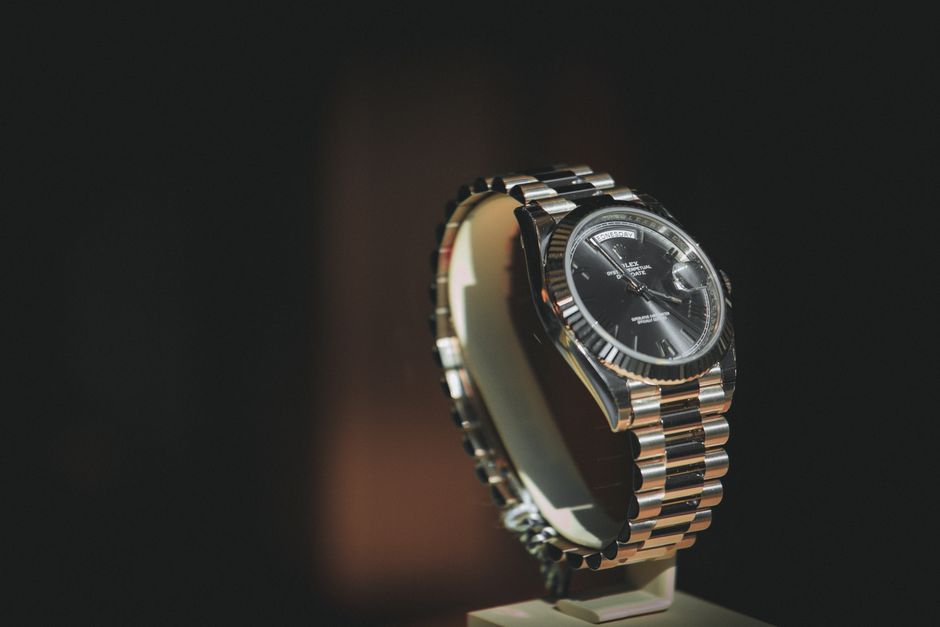
The Secondary Market vs. MSRP: Why Authentication Matters
Rolex's Manufacturer Suggested Retail Price (MSRP) sets the official retail benchmark, but when a watch enters the secondary market, several factors create a noticeable divergence between the replacement value and resale value. While MSRP grounds buyers and insurers on a specific number, secondary-market prices are influenced by scarcity, collector cycles, and transaction comparables—none of which appear on retail price tags.
- Replacement Value: What it costs to buy a brand-new watch retail, sometimes with waitlists.
- Resale Value: What a watch actually sells for on resale platforms, dealer sales, or auction results.
Collectors often prioritize resale value achieved through scarcity and provenance over MSRP, meaning that authentication is paramount to verify that the watch is what it claims to be. Just because it looks like a Rolex dial or case doesn’t make it a legitimate model commanding secondary market premiums.
Key Authentication Areas: Serial Numbers, Movement, and Case Markings
1. Authenticating Rolex Serial Numbers
The serial number is Rolex’s fingerprint on each timepiece. Unlike counterfeit models that mimic superficial design elements, fake serial numbers often follow flawed logic, with incorrect font, spacing, or even mismatched reference numbers to the production year.
Buyers trained in authentication first verify serial numbers against known production date ranges. For instance, the serial prefix corresponds to a particular year—or in newer models, Rolex uses randomized serials engraved between the lugs or on the rehaut (inner bezel). A mismatched or absent serial number is a red flag.
2. Rolex Movement Check
The heart of every Rolex is its movement—an intricate mechanical assembly unique to the brand and model. Authentic Rolex movements typically feature distinct finishes, markings, and calibers, which counterfeiters frequently overlook or botch in detail.
A proper Rolex movement check requires opening the case back, something only expert buyers or service professionals undertake. They look for:
- Model-specific calibers matching the reference number
- Precise mechanical engravings and patented innovations like the Parachrom hairspring
- Smooth, quality craftsmanship without rough edges or tool marks
Since movements are challenging to counterfeit perfectly, this is one of the most reliable authentication steps, and reputable buyers like those at Diamond Banc insist on this level of scrutiny before submitting offers.
3. Inspecting Rolex Case Markings
Authentic Rolex cases bear specific annotations and hallmarks: model reference numbers, metal type stamps (e.g., 904L steel or 18k gold), and other engravings inside the caseback or between the lugs. These case markings follow stringent rules on placement, font, and depth of engraving.
A careful eye examines:
- If the reference number matches the serial and the movement
- The clarity and correctness of hallmark stamps
- The presence and shape of Rolex’s coronet (crown logo) on the winding crown and clasp
Fake or modified cases tend to have blurry or incorrectly placed markings. Comparing these to trusted dealer sales and auction results helps buyers discern originality from aftermarket alterations or replacements.
The Impact of Scarcity and Discontinuation on Authentication Rigor
Rolex watches discontinued by the company become objects of heightened collector interest due to scarcity. This dynamic leads to two important implications:
- Discontinued models often command premiums in secondary markets far exceeding their original MSRP.
- They attract sophisticated collectors—and unfortunately, counterfeiters keen to replicate rare pieces.
In such cases, authentication becomes more exacting, incorporating cross-references with recent Market Realist data analytics and the latest auction results to benchmark valuations and ensure provenance.
Using Auction Results and Dealer Sales for Transaction Comps
Thanks to transparency improvements in the watch resale ecosystem, buyers and sellers alike leverage auction results and dealer sales as real-time transaction comps to calibrate pricing and authenticity assessments.
For example, when Diamond Banc acquires a Rolex, its team consults:
- Recent auction sales records for identical or nearly identical references
- Dealer-flipped watches currently listed or recently sold
- Historical scarcity trends influencing collector demand cycles
This market intelligence also grounds the buyer’s offer by answering quick reality-check questions like: “What did this Rolex actually sell for last week?” Instead of relying on vague buzzwords or inflated quotes, this ensures a fair, data-backed price reflective of authentic supply and demand.
Common Pitfalls When Authenticating and Pricing a Rolex
- Confusing replacement value with resale value: An insurance appraisal often overstates what a watch would fetch in a secondary transaction.
- Ignoring subtle but critical discrepancies: Even slight font differences on Rolex serial engravings or minute case markings variations can reveal fakes.
- Overemphasizing unverified price claims: Sellers citing inflated prices without auction or dealer sales history raise red flags.
- Misnaming models or vintage categories: For instance, calling a Datejust a Submariner can confuse collectors and impact valuation credibility.
Summary: The Rolex Authentication Checklist
Authentication Aspect What Buyers Check Why It Matters Rolex Serial Number Correct format, production year match, placement Confirms watch’s production authenticity and age Rolex Movement Model-specific caliber, craftsmanship, engravings Confirms mechanical authenticity; hardest to fake Rolex Case Markings Reference numbers, metal hallmarks, logos Ensures case originality and consistency with model Market Transaction Comps Auction results, dealer sales, scarcity data Supports realistic current market valuationBottom line: authenticating a Rolex involves a multi-layered inspection of serial numbers, movements, and case markings combined with real-time pricing data from reliable sources like Diamond Banc acquisitions and Market Realist analytics. Being thorough—and skeptical—helps secondary market buyers avoid pitfalls, distinguish replacement value from resale value, and acquire genuine Rolex watches that stand the test of collector demand cycles and market fluctuations.
