What Does “Current Data” Mean When a Rolex Buyer Makes an Offer?
When a Rolex buyer says an offer is based on “current data,” the phrase should mean more than “we checked the market.” It should mean the buyer has looked at recent, relevant evidence for your particular watch and adjusted for its condition, completeness, and likely resale costs. For a seller, that distinction matters: an offer based on today’s trading prices can be quite different from one based on a headline, a high asking price, or a price chart from the market’s peak.
In Los Angeles, where watches may pass through private dealers, consignment shops, online marketplaces, and auction channels, there is no single universal price for a Rolex. A useful offer is an informed estimate of what a buyer can reasonably expect to realize—not a promise that every comparable watch will sell for the same amount. Here’s what “current data” should include, and how to tell whether it supports the number in front of you.
What “Current Data” Should Mean in a Rolex Offer
In a well-supported offer, current data means recent market evidence that is close enough to your watch to be useful. The comparison should account for the model and reference, approximate production period, dial and bezel configuration, condition, bracelet, service history, and whether the watch comes with its box and papers. Even small differences can affect who is likely to buy a watch and how quickly it may sell.
It also helps to distinguish among three different numbers:
- Asking price: what a seller hopes to receive. It may be negotiable and does not prove a watch has sold at that amount.
- Completed sale price: what a buyer actually paid, subject to the sale’s terms, fees, and any relevant adjustments.
- Dealer offer: what a buyer is willing to pay you now, taking into account inspection, transaction costs, risk, and the need to resell.
A strong buyer can explain which of these figures informed the offer. If an online listing is the main evidence, ask whether it sold, when it sold, and whether its condition and accessories match yours. Recent sales comps should be genuinely comparable—not just the same broad model family.
Why Rolex Prices Need a Timeline
Rolex resale values did not move in a straight line over the past several years. During the pandemic-era boom, constrained availability and heightened demand pushed some popular references to exceptional secondary-market levels. Those prices became memorable, and they still appear in conversations and old listings. But a peak is a point in time, not a permanent baseline.
After the 2022 high-water period, much of the broader watch resale market corrected. The pace and scale of the decline differed by model, condition, and channel. Some watches proved more resilient than others; certain references saw deeper pullbacks. In the years that followed, the market found new footing, with buyers and sellers adjusting expectations and transactions increasingly reflecting practical demand rather than peak-era excitement.
By 2026, the conversation had shifted toward a recovery in parts of the Rolex secondary market. For example, Rolex secondary-market prices rose 1.7% in Q1 2026 vs the previous quarter. That figure is useful as a snapshot of a broader movement, but it https://dibz.me/blog/how-do-i-know-if-my-rolex-has-replacement-parts-1280 should not be read as a 1.7% increase for every Rolex. A market-level change can conceal meaningful differences among references, conditions, and price brackets.
The timeline matters because a buyer using “current data” should be able to separate the post-2022 slump, the subsequent stabilization and rebound, and the latest trading activity. A number from the boom may help explain a watch’s history, but it is not automatically evidence of what a buyer will pay today.
Where Market Data Comes From
Buyers and appraisers may draw on several kinds of information. Each has strengths, and each has limitations. A reliable view usually comes from comparing sources rather than relying on one chart or listing.
- Completed marketplace sales: These can show transaction outcomes, but access to sale details may vary. Confirm that a result represents a completed transaction and understand what fees or terms are included.
- Auction records: Auction results provide another view of realized prices. The venue, buyer’s premium, lot description, and condition report can all affect how a result compares with a private dealer offer.
- Dealer buying and selling activity: A dealer’s offer and current inventory can reflect live commercial conditions. However, a retail asking price is not the same as a purchase offer.
- Market indexes and pricing tools: These can help show direction over time and compare categories or references, but an index is not a direct appraisal of one individual watch.
- Historical records and reporting: Coverage from outlets such as the Los Angeles Times can add context about wider economic or luxury-market conditions. Reporting helps explain the environment, but it does not replace reference-specific sale evidence.
WatchCharts, a watch-pricing platform, is one tool people use to follow estimated values and market trends. EveryWatch, a watch-auction platform, can help users examine auction activity and results. These resources can make it easier to see whether a reference appears to be gaining or losing momentum, but neither tool alone determines the fair offer for a particular example.
Institutional analysis can add context, too. For instance, discussion of luxury goods and consumer demand from organizations such as Morgan Stanley may help explain broader forces affecting the market. Still, an economic report is not a substitute for recent sales comps for your precise Rolex configuration.
How a Buyer Should Apply Recent Sales Comps
A comparable sale is most useful when it resembles the watch being evaluated in the details that influence price. The buyer should identify what matches and what does not, rather than pointing to a single attractive number. Ask about the reference, approximate age, dial, bracelet, condition, accessories, and date of the transaction.
Then consider the condition of your own watch. A buyer may inspect bracelet stretch, case shape, polishing, dial and hand condition, bezel wear, timekeeping, and any signs of replacement parts or damage. Service documentation can help, but the buyer may still need to verify the watch in person. “Same reference” does not necessarily mean “same value.”
Completeness also affects demand. Box and papers may make a watch more appealing to some buyers, while a watch without them can still be desirable if its authenticity and history are well supported. The impact depends on the model and the buyer pool. A credible offer should state whether accessories were considered and should not treat their presence as a substitute for evaluating the watch itself.
Questions to Ask About a Comparable
- Was this a completed sale or an active asking price?
- How recently did it sell?
- Does it match my reference and configuration?
- Was its condition similar, and were its box and papers included?
- Does the quoted amount include auction premiums, platform fees, or other charges?
- How did the buyer account for the differences between that watch and mine?
If the answer is vague, the comparison may still be useful as background, but it should not be presented as a precise valuation. Current data is not just a number. It is the reasoning that connects the number to your watch.
Why a Dealer Offer Is Usually Below Retail Asking Prices
A buyer who purchases your Rolex directly is taking on work and risk. The watch may need authentication, inspection, servicing, photography, insurance, secure storage, and time to Get more info find the right next owner. The buyer also has to account for the possibility that the market changes before resale. These costs and risks explain why a direct offer is generally lower than a dealer’s retail asking price.
That gap is not automatically evidence of an unfair offer. The relevant question is whether the offer is reasonable for a quick, direct transaction and whether the buyer explains the spread. Consignment is another route: the seller may have a chance to receive more if the watch sells at a suitable price, but payment can take longer, and fees and sale terms matter. Compare the expected net proceeds—not just the headline amount—across options.
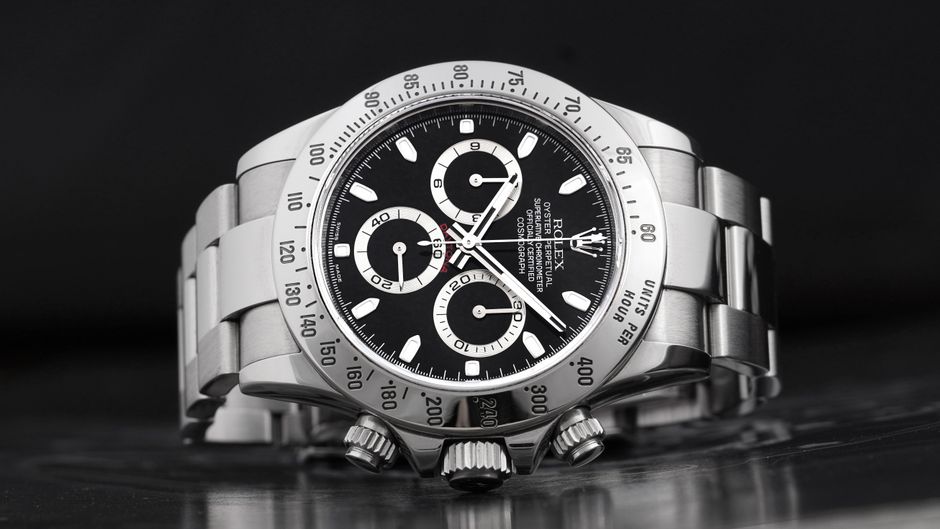
Ask the buyer to separate the watch’s estimated resale value from the offer made to you. A transparent explanation might show the recent sale range, note any condition adjustments, and describe the costs or margin that affect a direct purchase. That makes it easier to compare offers from different businesses on equal terms.
Certified Pre-Owned and Credibility in Resale
Certified Pre-Owned (CPO) programs have helped make authentication and documented resale more visible to watch buyers. Rolex’s own Certified Pre-Owned offering is one example of a branded program, available through participating authorized retailers. A watch sold through such a program is subject to specific eligibility and authentication requirements, and the terms should be checked with the retailer.
CPO can support confidence, but it does not mean that every pre-owned Rolex outside a branded program lacks credibility. Independent dealers may have established inspection processes, knowledgeable staff, and records of their own. Sellers should ask who is performing the authentication, what is examined, whether the watch can be independently inspected, and what written documentation or guarantee accompanies the transaction.

Credibility also matters when a buyer presents market data. A reputable business should be able to explain its method, distinguish estimates from completed sales, and disclose the basis of its offer without implying that a third-party chart certifies the watch or guarantees a future resale price.
A Practical Checklist Before You Accept
- Confirm the watch details. Make sure the buyer has identified the correct reference and configuration, not just the model name.
- Request recent sales comps. Ask for completed transactions where possible, with dates and a short explanation of comparability.
- Ask how condition was assessed. Clarify whether the offer is preliminary or depends on physical inspection and authentication.
- Compare net outcomes. For a direct offer, consignment, or auction, account for fees, timing, insurance, and payment terms.
- Keep documentation together. Gather service receipts, warranty information, box, papers, and any prior appraisal. These materials can help establish context, though they do not guarantee a particular price.
- Be cautious with old highs. Historical peaks can be interesting, but do not let them replace current evidence.
The Bottom Line
When a Rolex buyer says an offer is based on “current data,” the phrase should refer to recent, verifiable market evidence applied to your specific watch. It should account for the post-2022 price slump, the later rebound, and the fact that recovery is uneven across references. It should distinguish asking prices from completed sales and explain how condition, completeness, costs, and resale risk affect the number.
Tools such as WatchCharts and EveryWatch can help you follow the market, while reporting and broader financial analysis can provide context. But a useful offer still comes down to sound recent sales comps, careful inspection, and transparent reasoning. Focus on today’s trading prices, ask how the data was selected, and avoid outdated peaks as a shortcut to a valuation. The best conversation is one in which the buyer can show not only the offer, but how they arrived at it.