Where Do “Real Time” Rolex Prices Come From?
If you’re diving into the fascinating world of luxury watches, one question almost always pops up: Where do "real time" Rolex prices come from? Unlike many consumer goods, Rolex watches operate within a complex ecosystem where retail pricing, secondary market valuations, collector demand, and corporate policies all interplay to shape what you see on price lists, marketplace listings, and auction paddles. In this blog post, we’ll peel back the curtain on the concept of real-time Rolex pricing and explain how industry leaders like Rolex, Diamond Banc, and Market Realist contribute data and insights. We’ll also explore factors such as scarcity, market comps, and transaction data, equipping you with a clear framework for understanding the difference between list prices, replacement values, and actual transaction prices in a dynamic market.
Understanding MSRP vs. Secondary Market Pricing
First, it’s crucial to distinguish between two price concepts that are often confused:
- MSRP (Manufacturer’s Suggested Retail Price): This is the list price set by the watchmaker, in this case, Rolex. It represents what you would pay buying directly through authorized dealers under ideal conditions.
- Secondary Market Price: The price you encounter when buying a pre-owned, discontinued, or rare model from private sellers, dealers, or auctions.
Rolex’s official MSRP rarely changes and is published worldwide. But it doesn’t fully represent what collectors and buyers actually pay in the marketplace today. That’s primarily because:
- Scarcity arises due to production limits and model discontinuation. Some models become “unobtainable” at retail, forcing collectors to turn to secondary sources.
- Collector demand fluctuates with trends, rarity, and hype cycles. A watch that was once overlooked can suddenly surge in demand thanks to cultural moments, influencer exposure, or auction buzz.
For example, a steel Rolex Daytona discontinued years ago can regularly trade hands at prices multiple times its original MSRP. These variations emphasize the need to track real transaction data rather than relying solely on suggested retail.
Where Does “Real Time” Pricing Data come from?
Real time Rolex prices are essentially estimates derived from aggregating numerous live transactions, listings, and auction outcomes. Because Rolex does not officially publish secondary market pricing, industry professionals and market analysts turn to three main data sources:
1. Dealer Comps Rolex: Sales Among Authorized and Secondary Market Dealers
Jewelry and watch dealers operating in the secondary market regularly buy and sell watches from private clients and each other. These transactions, often confidential but reported in aggregate form, serve as vital benchmarks. When Diamond Banc, a well-known luxury asset purchaser and financier, cites their watch pricing, they’re referencing these dealer comps — actual completed sales and offer prices that reflect current supply-demand conditions.
Dealer comps help establish a “replacement value” used by appraisal firms: What does it cost to replace this exact watch today on the secondary market, not just recover the MSRP?
2. Marketplace Comps Watches: Online Platforms and Listing Prices
Websites specializing in pre-owned luxury watches, such as Chrono24, Bob’s Watches, and others, continuously update their listings and sales history. Market Realist and other financial publications analyze this data to provide insights about pricing trends. It’s important to note that listing prices shown on marketplaces reflect asking prices — not necessarily final sales — so prices must be verified with actual transaction evidence.
3. Recent Auction Results
Auctions, conducted by esteemed houses like Phillips, Sotheby’s, and Christie’s, provide a treasure trove of public sales data. Auction results verify prices where each lot’s hammer price is recorded, including fees, creating transparent comps. Additional reading These results are especially valuable for rare models, limited editions, or vintage Rolexes that rarely appear in dealer inventories.
Data Source Type of Price Data Reliability Typical Examples Dealer Comps (e.g., Diamond Banc) Closed transactions, offer prices High (confidential but verified) Pre-owned sales, collateral value loans Marketplace Comps (e.g., Market Realist analyses) Listing prices, some completed sales Medium (depends on platform transparency) Active listings, recent sales data Auction Results Public hammer prices including fees Very High Rare vintage models, collectiblesHow Scarcity and Collector Demand Drive Price Fluctuations
“Real time” prices don’t just appear from nowhere. They are generated by the fundamental forces of scarcity and demand, sometimes amplified by collector psychology:
- Discontinuation Creates Scarcity: When Rolex stops producing a model or updates it (e.g., the transition from ceramic to standard bezels or dial redesigns), the older versions become finite in supply. Buyers often scramble to acquire them, pushing prices upward.
- Collector Demand Cycles: Interest in specific models waxes and wanes. For example, the Explorer II, once considered a “lesser known” tool watch, has seen sharp price rises as more influencers and collectors celebrate its unique style and history.
- Hype and Cultural Influence: Worn by celebrities, featured in films, or endorsed by popular watch forums, certain references will experience swift spikes in asking and selling prices.
Transaction comps reflect these dynamics. While MSRP remains flat or even increases modestly over time, secondary market prices can swing dramatically. This disparity is why assessing “replacement value”—what it costs today to acquire a similar watch from the secondary market—is crucial for collectors, insurers, and sellers.

Reality Check: What Did It Actually Sell For Last Week?
Whenever you Discover more here hear a price claim for a Rolex, especially one without any backing or source, ask yourself, “What did it actually sell for last week?” This quick question cuts through marketing hype and speculative buzz. The best way to answer it is by consulting recent auction results and verified dealer sales data.
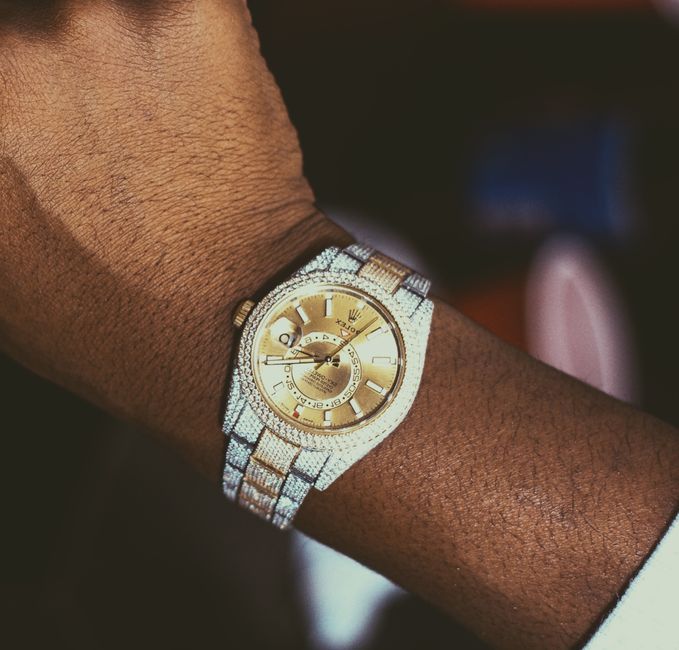
Neither Rolex nor Diamond Banc nor Market Realist provide absolute fixed prices because the market is fluid. Instead, their numbers offer **reference points** based on continually updated comps. Even professional appraisers cross-check multiple sources to finalize values.
Summary: The Anatomy of Real-Time Rolex Pricing
- MSRP is static and set by Rolex authorized dealers.
- Secondary market prices fluctuate based on transaction data, scarcity, and demand.
- Dealer comps from reputable firms like Diamond Banc provide confidential but accurate transaction benchmarks.
- Marketplace comps, analyzed by companies such as Market Realist, illustrate broader supply/demand trends but may overstate asking prices.
- Recent auction results serve as transparent proof points for high-value or collectible Rolex watches.
- Understanding these sources helps differentiate between replacement value and resale value, critical for buyers, sellers, and insurers alike.
Final Thoughts
The “real time” Rolex price isn’t a single static number but a moving target informed by a combination of dealer comps, marketplace listings, and auction results. Brands like Rolex influence availability and MSRP but have no control over secondary market pricing, which is governed by scarcity and collector cycles. Tools provided by Diamond Banc and Market Realist help watch enthusiasts stay informed with up-to-date transaction data and trend analyses. Always seek verified recent sales and ask “What did it actually sell for?” before relying on any price claim. Doing so will ground your expectations in reality and guide smarter buying or selling decisions in the vibrant, occasionally volatile world of pre-owned Rolex watches.