Why Does Carrier Billing Get Declined Even With Credit Left?
Many users have experienced the frustration of trying to purchase digital content or subscriptions through carrier billing, seeing they have prepaid credit or a balance, only to have the transaction decline. This can be confusing — especially when your balance indicates you should have enough funds. Understanding why this happens requires unpacking how direct carrier billing (DCB) works behind the scenes and what factors impact authorization success.
Faster Checkout & Fewer Abandoned Carts: Why Carrier Billing Matters
Mobile-first purchase flows are designed to make checkout faster and reduce cart abandonment. Unlike entering card details manually, carrier billing lets users charge purchases directly to their mobile phone bill or prepaid credit balance. This streamlined experience is particularly effective on small screens, where typing long card numbers or addresses is inconvenient.

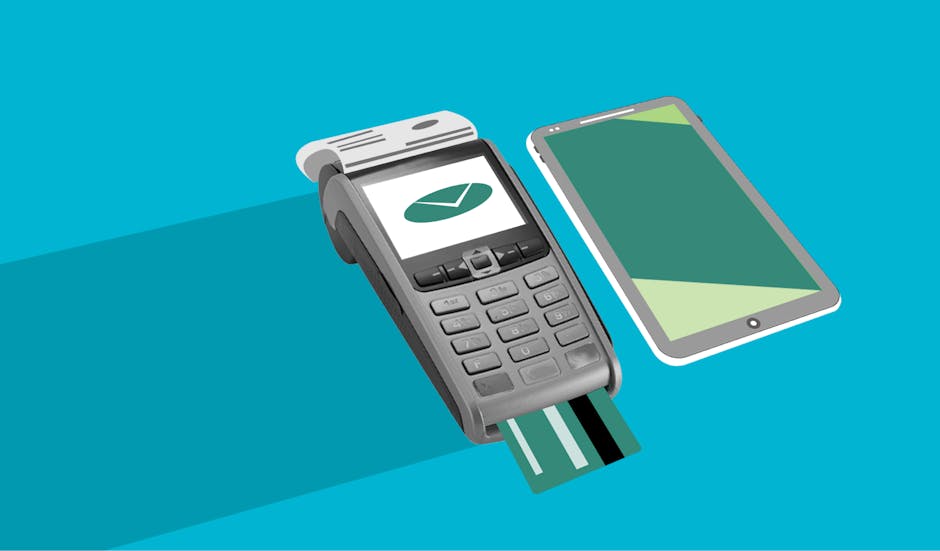
App stores like Google Play Store and Apple App Store integrate carrier billing options alongside wallets such as Apple Pay and Google Pay. These alternatives speed up checkout and meet the shift from traditional cards to alternative payments increasingly favored by mobile-first users.
The Shift from Cards to Alternative Payments
Cards https://smoothdecorator.com/why-shoppers-do-not-want-to-share-card-details-online/ have long dominated online payments. But with mobile spending surging, alternative payment methods like carrier billing have seen rapid growth. Why? Because they eliminate barriers—no need to enter card details or link a bank account.
- Consumers trust their mobile operator to handle billing.
- Carrier billing works globally, even in regions where card penetration is lower.
- It reduces friction by leveraging existing prepaid credit or postpaid plans.
In particular, digital content platforms—offering apps, games, music, or video—benefit from this setup. GSMA’s work on carrier billing standards helps operators worldwide offer consistent experiences.
How Direct Carrier Billing Works
Understanding why a carrier billing charge might get declined starts with understanding the payment flow:
- User selects digital content or service on an app store or platform.
- At checkout, user picks “Carrier Billing” as payment.
- The platform requests authorization from the mobile operator.
- The operator checks balance, credit limits, and account status.
- Operator approves or declines based on multiple factors.
- User sees confirmation or error message.
- If approved, the purchase amount posts to the phone bill or deducts from prepaid credit.
This process involves coordination between merchants, payment platforms, and telecom operators, each with its own authorization rules.
What Does the User Tap Next After a Decline?
A crucial UX point: after a carrier authorization failure, the user usually taps a “Retry” button or chooses a different payment method like Apple Pay or Google Pay. Seamless alternative payments must be clearly presented to avoid losing the sale altogether.
Why Does Carrier Billing Get Declined Even With Prepaid Credit Left?
Now to the core question. Here are common reasons for authorization failure despite having enough prepaid credit:
https://technivorz.com/what-is-direct-carrier-billing-dcb-in-plain-english/ Reason Explanation Carrier Payment Limits Operators set daily, weekly, or monthly charge limits per account to mitigate fraud and risk. Even if prepaid credit is sufficient, exceeding these limits causes declines. Insufficient Pre-Authorization Credit Carriers often pre-authorize funds to reserve payment before final charge. The amount locked might exceed available credit temporarily, leading to decline. Account Restrictions Prepaid plans may have restrictions on types of content or vendors allowed for billing. Non-eligible merchants trigger declined transactions. Pending Charges Previous unpaid carrier bills or unresolved disputes can block further billing until cleared. Technical or Network Issues Timeouts or errors communicating between app stores, operators, or payment gateways can cause false declines.Avoiding Vague “Security” Excuses
It's common to see generic security warnings when a carrier billing payment fails. But what data is checked, and what is shared? Transparency matters. Operators check things like:
- Phone number and account status
- Prepaid credit and billing limits
- Merchant whitelist/blacklist
- Purchase amount validation
None of your sensitive card or bank data is shared in this process. Understanding this helps the user trust the system.
Mobile-First UX and Small-Screen Design
The entire carrier billing experience is optimized for mobile devices, where users have limited screen real estate. This impacts how payment options are shown and errors handled.
- Clear prompts: Show carrier billing as a simple tap option alongside wallets like Apple Pay and Google Pay.
- Instant feedback: If authorization fails, communicate clearly what happened and what user taps next.
- Minimal typing: Avoid requiring users to input extra details beyond what mobile networks can infer.
- Retry flows: Allow quickly retrying or switching payment methods.
These design principles reduce abandoned carts and help users complete purchases faster—critical for app stores and digital content platforms selling via mobile channels.
Summary: What to Remember
Carrier billing is a powerful alternative payment method delivering faster checkout and reducing cart abandonment. However, authorization failure can still happen even if the user has prepaid credit left. Key reasons include carrier limits, account restrictions, and technical issues.
Merchants and platforms must design mobile-first user flows that clarify what happens next after a decline and offer easy alternative payments like Apple Pay or Google Pay. Meanwhile, consumers benefit from understanding that “credit left” doesn’t always guarantee authorization due to operational rules managed by carriers following guidelines such as those from GSMA.
Keeping these points in mind will help all parties improve mobile commerce success rates with carrier billing.